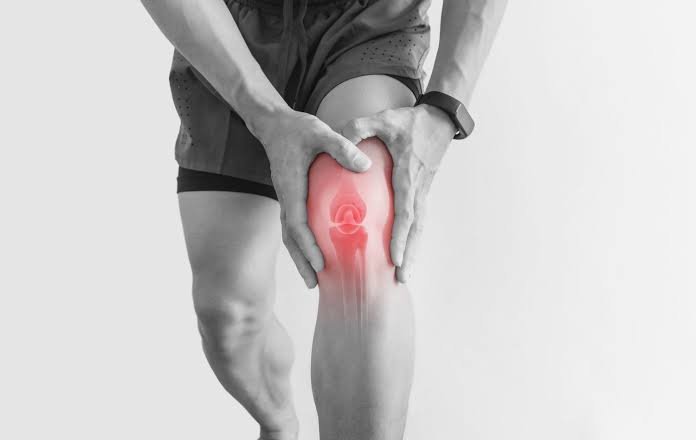
Joint injuries can happen suddenly during an accident, fall, sports activity, exercise, or even through repetitive movement. They commonly affect the knees, shoulders, ankles, wrists, elbows and other joints, and may cause pain, swelling, stiffness or difficulty moving the affected area.
While some minor injuries may improve with rest and appropriate home care, persistent or severe symptoms should be evaluated by a healthcare professional. Understanding the common causes and warning signs can help you know when it is time to consult an orthopaedic specialist.
What Is a Joint Injury?
A joint is where two or more bones meet and allows movement between them. Joints are supported by structures such as ligaments, tendons, cartilage and muscles.
A joint injury can involve damage or irritation to one or more of these structures. Depending on the cause and severity, an injury may range from a mild sprain or strain to a more significant ligament, tendon, cartilage or bone injury.
Common Causes of Joint Injuries
Joint injuries can occur because of both sudden trauma and repetitive stress. Some common causes include:
1. Falls and Accidents
A fall, road accident or direct impact can place significant force on a joint and may result in a sprain, fracture, dislocation or other injury.
2. Sports Injuries
Running, jumping, sudden changes in direction and contact sports can increase the risk of joint injuries. Knee and ankle injuries are particularly common in sports.
3. Twisting or Sudden Movements
A joint can be injured when it twists suddenly, particularly when the foot remains fixed while the body changes direction. This can affect structures such as the ligaments or meniscus in the knee.
4. Repetitive Activities
Repeated movements or overuse can place stress on muscles, tendons and joints and may contribute to pain and inflammation.
5. Age-Related Joint Problems
Not every joint problem is caused by an injury. Conditions such as osteoarthritis can also cause joint pain, stiffness and difficulty with movement.
Common Symptoms of Joint Injuries
The symptoms can vary depending on the affected joint and the nature of the injury. Common symptoms include:
- Joint pain or tenderness
- Swelling around the joint
- Bruising after an injury
- Stiffness or reduced movement
- Difficulty putting weight on the joint
- Weakness or instability
- Clicking, catching or locking
- Difficulty performing normal activities
For example, knee ligament or meniscus injuries may cause swelling, reduced movement, instability or locking.
Which Joints Are Commonly Injured?
Joint injuries can occur anywhere in the body, but some joints are more frequently affected because of their role in movement and weight-bearing.
Knee Injuries
Knee injuries can occur during sports, falls, twisting movements or accidents. They may involve ligaments, tendons, cartilage or other structures.
Shoulder Injuries
Falls, sports activities and sudden movements can cause shoulder injuries. Severe pain, restricted movement or a change in the shape of the shoulder may require prompt medical assessment.
Ankle Injuries
Ankle sprains are common after twisting or rolling the ankle. Pain, swelling, bruising and difficulty putting weight on the foot may occur.
Wrist and Elbow Injuries
Falls and direct impacts can injure the wrist or elbow, sometimes resulting in sprains, fractures or other joint problems.
When Should You See an Orthopaedic Doctor?
Not every joint injury requires specialist treatment, but medical evaluation is advisable when symptoms are severe, persistent or affecting your normal activities.
You should consider consulting an orthopaedic doctor if:
- Pain is severe or getting worse
- Swelling continues or repeatedly returns
- You cannot move the joint normally
- You have difficulty walking or putting weight on the joint
- The joint feels unstable or repeatedly gives way
- Pain continues despite initial home care
- Symptoms interfere with sleep or daily activities
- The injury occurred after a significant accident or fall
Persistent joint pain, worsening symptoms and pain that affects normal activities are reasons to seek medical assessment.
When Is Immediate Medical Attention Needed?
Some symptoms can indicate a more serious injury or condition and should not be ignored.
Seek urgent medical attention if you have severe joint pain following an injury, cannot put weight on the affected joint, the joint appears out of position, or you develop numbness or tingling around the injured area.
A joint that becomes hot and swollen along with fever or feeling generally unwell can also require urgent medical assessment because infection is one possible cause.
How Are Joint Injuries Diagnosed?
An orthopaedic evaluation generally begins with a discussion about the injury, symptoms and medical history, followed by a physical examination of the affected joint.
Depending on the suspected condition, a doctor may recommend investigations such as an X-ray or other imaging to better understand the injury. The appropriate investigation depends on the symptoms and clinical findings.
How Are Joint Injuries Treated?
Treatment depends on the type and severity of the injury and the structures involved. Some minor injuries may improve with appropriate rest and gradual return to movement, while more significant injuries may require medical treatment, physiotherapy, imaging or specialist intervention.
Treatment options may include:
- Activity modification and rest
- Ice for short-term swelling management
- Medication when appropriate
- Physiotherapy and rehabilitation
- Bracing or support in selected cases
- Specialist treatment for significant injuries
The appropriate treatment should be decided after evaluation rather than based solely on symptoms.
What Can You Do After a Minor Joint Injury?
For a minor sprain or strain, initially reducing activities that aggravate the injury and using an ice pack wrapped in a towel for short periods may help with swelling. As pain allows, gentle movement can help prevent stiffness.
However, avoid assuming that every injury is a simple sprain. Significant pain, rapid swelling, inability to bear weight, deformity or neurological symptoms should prompt medical assessment.
How Can Joint Injuries Be Prevented?
While not every injury can be prevented, some habits may help reduce the risk:
- Warm up before strenuous activity
- Increase exercise intensity gradually
- Use appropriate protective equipment
- Maintain muscle strength and flexibility
- Follow proper sports techniques
- Avoid exercising through significant pain
- Give the body adequate recovery time
Consult an Orthopaedic Surgeon in Hajipur
If joint pain or an injury is affecting your movement or daily activities, an orthopaedic evaluation can help determine the possible cause and appropriate next steps.
Dr. Sumit Suryant, Orthopaedic & Trauma Surgeon at MM Ortho Care & Trauma Hospital, Hajipur, provides consultation for joint injuries, fractures, trauma and other orthopaedic conditions.
Book an Orthopaedic Consultation
MM Ortho Care & Trauma Hospital
Purani Gandak Pul Road, Johari Bazar,
Hajipur, Vaishali, Bihar
Phone: +91 77828 22762 | +91 79798 42737
Frequently Asked Questions
What are the most common causes of joint injuries?
Falls, accidents, sports activities, sudden twisting movements and repetitive stress are common causes of joint injuries. Long-term conditions such as arthritis can also cause joint pain and stiffness.
What are common symptoms of a joint injury?
Pain, swelling, bruising, stiffness, reduced movement, weakness and difficulty putting weight on the affected joint are common symptoms.
When should I see an orthopaedic doctor for joint pain?
Consider medical evaluation if the pain is severe, worsening, persistent, repeatedly returns or interferes with normal activities.
Can a joint injury heal on its own?
Some minor sprains and strains may improve with appropriate self-care, but the recovery depends on the type and severity of the injury. Persistent or severe symptoms should be evaluated by a healthcare professional.
Should I get an X-ray for a joint injury?
Not every joint injury requires an X-ray. A doctor can determine whether imaging or another investigation is appropriate based on the injury, symptoms and physical examination.